Cider Before Chianti: A British Drinks List for Serious Slices
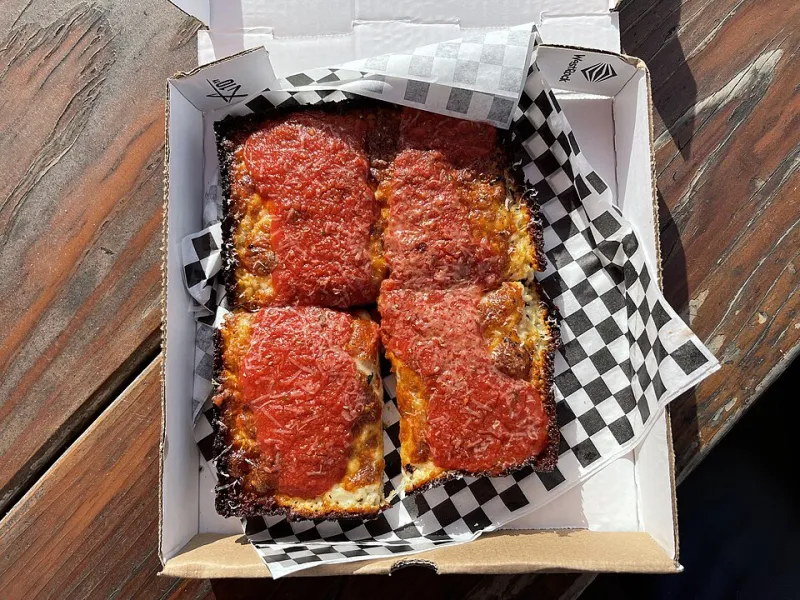
Photo: Missvain, CC BY 4.0, via Wikimedia Commons
Most UK pizza menus have a drinks list that looks like it was copied from a 1990s Italian chain. A Chianti. A Peroni. A house red. A diet cola. Maybe a craft lager if the owner is feeling brave. None of it is wrong, exactly. It is just not doing much for the pizza. In 2026, with British cider, pale ale, kombucha and low-alcohol beer in better shape than ever, the default list looks lazy.
The argument is simple: pizza is a broad church. A margherita and a nduja pie need different things from a drink. A drinks list should respond to acidity, fat, sweetness and chilli heat. It should also look closer to home. British cider has the acidity to cut through mozzarella. A cask pale ale has the carbonation and bitterness to reset the palate. Kombucha brings sharpness without alcohol. A low-alcohol pale can do the job of a lunchtime lager without the afternoon fog.
The default list is a missed opportunity
Italian reds are not the enemy. A light, high-acid red can work with a tomato-heavy pie. The problem is the default. Most lists offer one safe red and one safe lager, then leave the customer to guess. That is not hospitality. It is a vending machine with a wine rack.
A good drinks list should tell you something about the kitchen. If the pizza has a long cold ferment and a blistered crust, the list can have a little texture. If the menu leans into chilli honey and cured meat, the list needs sweetness and bubbles. If the shop sells by the slice at lunch, it needs drinks that work in a paper cup or a stemless glass without making a fuss.
Three rules: acid, sweetness, bubbles
First, acidity cuts fat. Tomato sauce, mozzarella, parmesan and cured meat all leave a coating on the palate. A dry cider or a sharp kombucha resets it. Second, sweetness cools heat. Chilli honey, nduja and hot peppers need a drink with a touch of residual sugar or fruit. A bone-dry, high-tannin red will make the heat feel hotter. Third, carbonation scrubs. Bubbles lift grease and refresh the tongue. That is why lager works, but it is not the only option.
Tannin is the tricky one. Strong tannin can clash with tomato acidity and chilli. If you want red wine with pizza, go light and low-tannin. If you want a British drink that handles the same job, think cider, pale ale or a low-alcohol sour.
Pairings that actually work
Margherita
A dry, sparkling cider from Herefordshire or the West Country. The acidity meets the tomato, the bubbles cut the mozzarella, and the apple fruit rounds off the basil. If you want beer, a 4% cask pale ale with a citrus hop finish is better than a heavy lager.
Pepperoni
This is where cider earns its place. A medium-dry cider with a little bite is excellent with pepperoni. The fat from the salami is cut by the acidity, and the slight sweetness stops the cured meat from tasting salty. A hazy pale ale also works, but keep the bitterness moderate. A dry, tannic cider will fight the pepperoni.
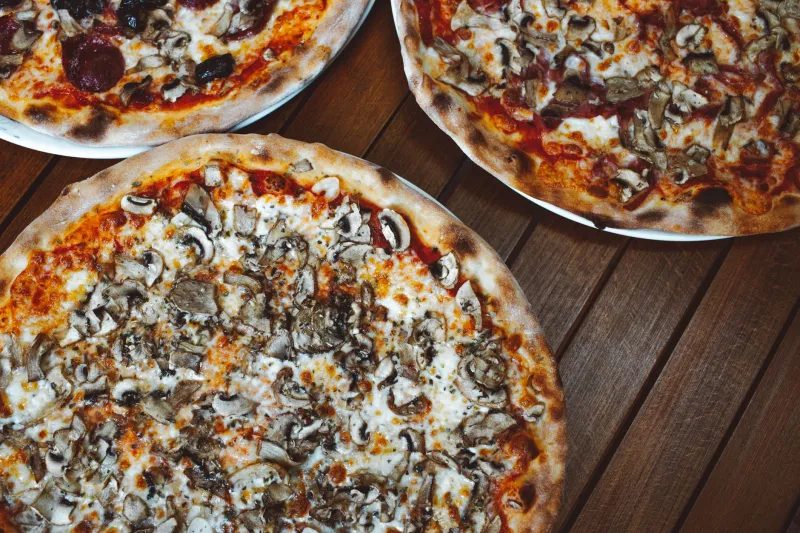
White pizza with mushrooms
A white pie needs something with savoury depth and freshness. An amber ale or a darker British pale ale can pick up the earthiness of mushrooms. A kombucha with ginger or lemon adds a clean sharpness without overwhelming the cheese.
Four cheese
Rich, salty and fatty. You need acid and bubbles, not more weight. A dry sparkling cider is the obvious move. A low-alcohol Belgian-style wheat beer or a light kombucha also works. Avoid oaky reds and heavy stouts.
Nduja or chilli honey
Sweetness is your friend. An off-dry cider, a fruit-forward pale ale or a low-alcohol pale with a touch of residual sugar will cool the heat without killing it. Do not reach for a high-ABV double IPA. It will amplify the burn and flatten the palate.
Greens and garlic
A spinach and ricotta pie, or anything with garlic and herbs, likes a herbal, dry cider or a saison-style pale ale. Kombucha with cucumber or mint is a smart low-alcohol option. It keeps the slice fresh rather than smothering it.
How to build the list
Keep it short. Four to six drinks can cover most of a pizza menu if they are chosen with purpose. One dry cider. One medium-dry cider. One pale ale. One low-alcohol beer. One kombucha. One light red for the traditionalists. Add a house sparkling water and you are done.
Train the staff to ask one question: what are you ordering? A good server can then point to the cider with pepperoni or the kombucha with the white pie. That is more useful than a laminated list of tasting notes.
Price by the glass and by the bottle. Offer a lunch deal that includes a low-alcohol option. Make the cider list visible. Put the British producers on the menu with the same pride as the Italian ones. The drinks are not an afterthought. They are part of the pizza.
The last word
Cider with pepperoni is not a gimmick. It is a sensible pairing. A pale ale with a margherita is not a compromise. It is a good time. The UK has excellent drinks made close to home. Pizza menus should act like it. The next time you see a list with nothing but Chianti and lager, ask for the cider. If there isn't one, you are in the wrong slice shop.