Freezer Burn Is a Choice: The Home Pizza Storage Manual
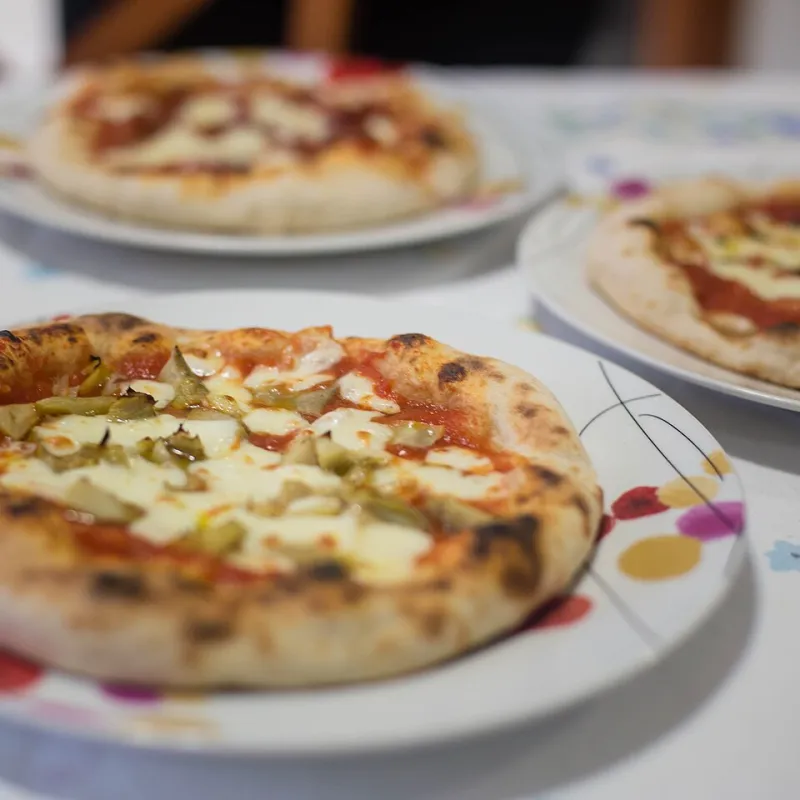
Photo: N i c o l a from Fiumicino (Rome), Italy, CC BY 2.0, via Wikimedia Commons
There is a moment in every home pizza life when the freezer stops being the place where peas go to die and becomes a genuine strategic asset. You made too much dough. You par-baked one base too many. You ordered a 16-inch takeaway and, somehow, there are two slices left. The freezer can save all of it. It can also turn it into a leathery disappointment if you treat it like a bin with a door.
This is not a lecture about batch-cooking. It is a practical guide for UK kitchens where the freezer is often a narrow drawer, the fridge is full of milk and half a lemon, and the oven is a fan-assisted workhorse that runs hot at the back. The goal is simple: weeknight pizza that tastes like you planned it, not like you defrosted a mistake.
What the cold actually does to dough
Freezing does not kill yeast. It puts it to sleep. The water in your dough turns to ice crystals, and those crystals can puncture gluten structure if they are big and slow-growing. The faster something freezes, the smaller the crystals. That is why a home freezer with a fast-freeze setting — or just a small dough ball pressed flat-ish and placed near the back — does a better job than a huge lump crammed into the warmest corner.
The bigger issue is timing. Freeze dough after it has had its bulk ferment and been portioned, but before the final prove. You want a dough ball that has built flavour but still has enough oomph to rise once thawed. If you freeze fully proved dough, you are freezing a balloon that has already had its party. It will still bake, but it will be flatter and grumpier.
The habits worth keeping — and the ones to ditch
Ditch: wrapping a dough ball in a single layer of cling film and hoping for the best. Cling film alone is a invitation to freezer burn, and freezer burn tastes like nothing and cardboard at the same time.
Keep: double-wrapping. A light coat of olive oil, a tight layer of cling film, then a freezer bag with the air pressed out. Label it with the date and the flour blend. You will thank yourself in three weeks when you cannot tell your 65% hydration from your 70%.
Ditch: freezing sauce in a big tub you have to chip out with a knife. Keep: flat bags or ice-cube trays. A tomato sauce frozen in cubes is a weeknight hero. Two cubes per pizza, straight into a pan.
Ditch: freezing a hot par-baked base straight from the oven. Keep: cooling it completely on a rack, then wrapping it flat with baking paper between layers. A warm base in the freezer creates steam, then ice, then a soggy middle.
Keep, with caveats: leftover slices. They freeze better than most people think, but only if you wrap them individually and reheat them hard — a hot oven or a dry frying pan, not a microwave. A microwave will make the crust rubbery and the cheese weep.
Wrap it like you mean it
Air is the enemy. Moisture is the enemy’s best mate. The best home-freezer wraps are tight, labelled and slightly obsessive.
For dough balls: oil, cling film, freezer bag, date. Press the bag flat so the balls freeze quickly and stack neatly. For sauce: freeze flat in bags or cubes, then bag the cubes. For par-baked bases: cool, wrap in baking paper, then foil or a heavy freezer bag. For slices: cling film tight, then a bag. Do not stack a dozen unwrapped slices in one bag and call it a job.
A roll of masking tape and a marker is the cheapest pizza upgrade you will buy this month. Write the date and what it is. Future you is hungry and does not want to play detective.
Defrosting without drama
The fridge is your friend. Move dough balls from the freezer to the fridge the night before you want them — roughly 10 to 12 hours for a standard 250g ball. Let them sit in the fridge in their wrapping, then bring them out an hour or two before baking. They should relax, puff slightly and feel like dough again, not like a cold pebble.
If you forgot, do not panic and do not use the microwave. Seal the dough ball in a bag and sit it in a bowl of cold water for 30 to 45 minutes, changing the water once. Then finish on the counter. It is not perfect, but it is far better than a microwaved edge turning to glue.
Par-baked bases can go straight from frozen into a hot oven. No defrosting needed. Sauce should thaw in the fridge overnight or in a bowl of cold water if it is bagged. Leftover slices are best reheated from frozen in a hot oven, not left on the counter to sweat.
A realistic weeknight timeline
This is the bit people actually need. A proper weeknight pizza from frozen looks like this: the night before, move one dough ball to the fridge. On the day, take it out at around 5pm. Heat the oven hard — fan 250°C with a steel or stone in for at least 30 minutes. By 6.30pm the dough is relaxed, the sauce is thawed and the cheese is grated. You are eating by 7pm. That is not a project. That is dinner.
If you are using a par-baked base, the timeline collapses to about 20 minutes: oven on, topping on, bake. That is the freezer earning its rent.
The myths worth ignoring
Freezing does not ‘kill the yeast’. It does not make dough unsafe to refreeze if it has been kept cold and handled sensibly — though quality suffers, so avoid the habit. Frozen mozzarella is fine for baking but will release more water, so drain it well. Frozen basil is a waste of time for topping; put it in sauce instead. And a freezer that is opened ten times a day will build frost. Keep things tight and near the back.
The freezer is not a magic box. It is a pause button. Press it with a bit of care and your future self gets pizza. Press it carelessly and your future self gets a gritty, icy base and a lesson. The difference is cling film, a bag, a label and a night in the fridge. That is the whole playbook.