The Drawer Doesn't Lie: An Honest Air-Fryer Pizza Trial
Photo: Infrogmation of New Orleans, CC BY-SA 4.0, via Wikimedia Commons
The air fryer has become the most over-promised appliance in Britain. It arrived as a chip machine, then a roast-dinner shortcut, and now, according to the recipe corners of the internet, it is a pizza oven. That is a big claim for a plastic box with a fan. So we cleared the counter, plugged in a standard 4.5-litre basket model, and gave it three jobs: a chilled supermarket pizza, a frozen pepperoni, and two sad slices left over from a Friday delivery.
The short version: it does more than we expected, less than the adverts imply, and nothing at all for raw dough. Here is the long version, with the settings that actually worked.
The test bench
One basket air fryer, 1,700 watts, a drawer roughly 20cm across and a short ceiling that puts the heating element close to the food. No oil, no gadgets, no baking steel. Each pizza was judged on four things: how the base crisped, how the rim behaved, whether the cheese melted or simply dried, and whether the slice held together when lifted. We preheated at 200°C for three minutes before the first round, then adjusted from there.
It is worth saying plainly what an air fryer is. It is a small convection oven with a fast fan and a low roof. That combination is brilliant for some things and genuinely awkward for others. Pizza sits on both sides of that line.
Chilled supermarket pizza
The first obstacle has nothing to do with heat. Most supermarket chilled pizzas are ten or eleven inches across. Most air-fryer drawers are not. If the pizza does not sit flat with a couple of centimetres of clearance all round, the air cannot move and you are steaming the base, not crisping it. We cut a chilled own-brand margherita down to fit, which felt wrong and worked fine.
At 180°C, the base came out properly crisp in seven minutes — genuinely crisp, with a firm underside you could pick up one-handed. The cheese melted into a uniform blanket but never browned. The rim dried rather than puffed; there was no blistering, no char, no chew. It ate like a decent flatbread with cheese on top. Compared with the same pizza in a domestic fan oven, the air fryer won on the base and lost on the rim. For a quick solo lunch, that is a fair trade.
Frozen pizza
This is the format's home turf. Frozen pizzas are part-baked and built to survive careless heat, so the air fryer's blunt force does them no harm. A frozen pepperoni went in at 180°C for thirteen minutes, checked at ten. The base came out crisp right to the centre, the cheese bubbled, and the pepperoni edges curled into little cups. No soggy middle, no pale top.
If you buy frozen pizza for convenience and own an air fryer, this is the single best use of the drawer. It is faster than a full oven, cheaper to run, and the result is close enough to the box picture that nobody in the house will complain. Just check the size before you buy: a large frozen pizza will need cutting, and cutting a frozen pizza is a genuinely miserable job. Buy the small ones.
Leftover slices
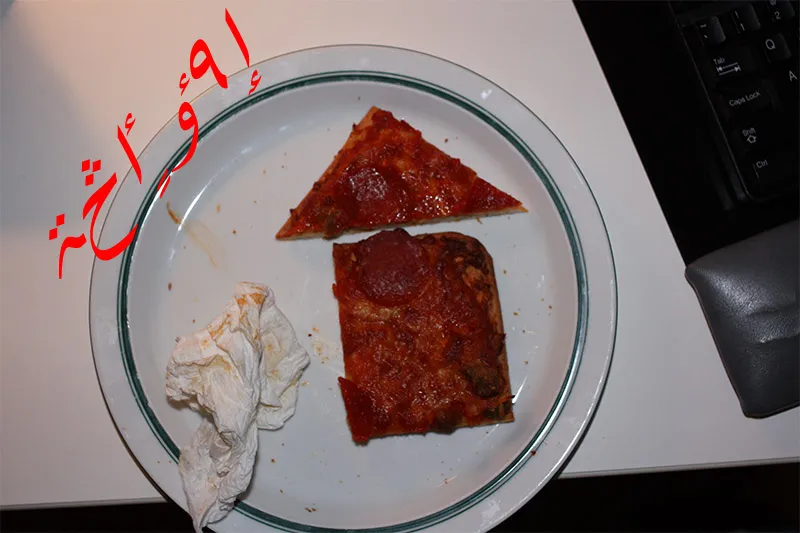
The leftover test was the one we expected to fail, and it did not. Two slices from a delivery the night before, fridge-cold, went in at 170°C for three minutes. The base re-crisped, the cheese re-melted, and the whole thing came back to something close to its original state. Compare that with the microwave, which turns the base to rubber, or a full oven, which heats the kitchen to reheat two slices.
One caveat: three minutes is the upper limit. At four, the cheese tightened and the rim went brittle. Watch it, and take it out while it still looks slightly underdone.
Where it goes wrong
Raw dough is the big one. A fresh, unbaked base needs heat from above and a hot surface below. An air fryer gives you a fierce fan and a hot basket floor, so you get a pale, dry top and an over-darkened bottom. If you want to cook fresh dough in one, par-bake the base first, then add toppings. It is a workaround, not a method.
Wet toppings are the second trap. Mushrooms, pineapple, and anything sitting in a puddle of sauce will steam the centre before the base sets. Pat them dry and go easy on the sauce.
Finally, cheese placement matters. Pile it high and the top element scorches it before the base is done. Keep toppings modest and keep the temperature at 180°C rather than chasing 200°C. Speed is not the goal here; even heat is.
The playbook
Preheat for three minutes at 200°C, then drop to 180°C for the cook. Cut the pizza to fit with room to spare. Use perforated parchment if the cheese is messy, but never a solid sheet, which blocks the airflow you paid for. Check at roughly seventy per cent of the recommended time. Rest the pizza for a minute before cutting, because the base firms up as it cools. And do not, under any circumstances, put raw dough in there and hope.
The verdict
The air fryer is not a wood-fired oven and it is not a replacement for a proper baking steel. It will never give you leopard-spotting or a puffy, blistered rim. What it will do is rescue a frozen pizza, revive a leftover slice, and cook a small chilled pizza faster and crisper than the big oven. That is a narrow brief, but it is a real one.
Score it as a pizza tool and it lands somewhere around seven out of ten — high marks for frozen and leftovers, a shrug for chilled, and a firm no for fresh dough. A drawer full of hope, then, but not an empty promise. Just do not expect the fan to do the work of a stone.