The Landlord’s Oven: Why the Best Slice in Town Is Behind a Bar
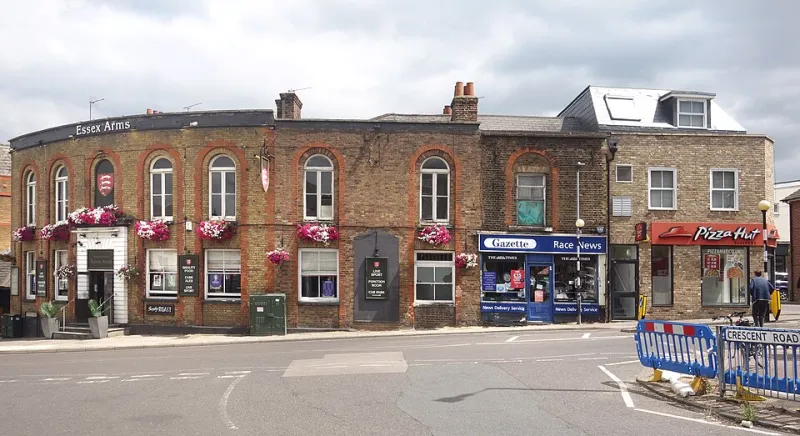
Photo: Des Blenkinsopp , CC BY-SA 2.0, via Wikimedia Commons
There’s a particular smell that tells you a pub has changed: hot flour, tomato, and a faint whiff of scorched basil drifting out of a kitchen that used to turn out chips and a Sunday carvery. In 2026, that smell is everywhere. Back-street boozers, railway-arch taprooms, village pubs with three tables and a dartboard — they’ve all become pizza venues. Not in a novelty way. In a genuinely good way.
The pub pizza residency is not a new idea, but it has matured. Licensees have worked out that handing the kitchen to a dough obsessive can be more sensible than trying to run a full food operation themselves. The pizzaiolo gets a low-risk site with a built-in audience. The pub gets food that suits the room: casual, shareable, and easy to eat with a pint in reach. Most importantly, we get to eat better pizza in the places we already want to drink.
The kitchen behind the bar
A pub kitchen is an awkward space. It was never designed for a dough station, a fridge full of fermenting balls, and a oven that runs hot enough to strip paint. That constraint is part of the charm. The best pub pizza operators tend to be people who have stripped the menu back to what fits: a short list of pies, a couple of sides, maybe a salad nobody orders. No laminated folder. No ‘Mexican’ option. No pineapple debate unless it’s a joke on the chalkboard.
The landlord benefits because pizza is scalable. One person can prep dough in the morning, another can stretch and bake at service, and the equipment is modest compared with a full restaurant kitchen. The pizza side benefits because pubs already have the thing every pizzeria tries to manufacture: atmosphere. You don’t need to build a ‘casual dining experience’ when there’s a fire, a dog under the table, and a bitter on handpull.
First, read the oven
Before you judge a pub pizza, look at the setup. A proper deck oven, a wood-fired beast, or a well-run gas oven can all produce excellent pizza. What matters is whether the oven is being used with intent. Is it up to temperature? Is the person baking confident with the peel? Are the bases coming out with a blistered rim and a cooked-through centre, or are they pale and floppy with a suspiciously wet middle?
A tiny domestic-style oven isn’t automatically a red flag — some excellent operators work miracles in tight spaces — but it does limit volume and consistency. If the kitchen is pumping out fifty pizzas an hour from an oven the size of a microwave, expect compromise. Ask where the dough is fermented, how long it has had, and what flour they’re using. Good pub pizza people love talking about this stuff. Bad ones get defensive.
Menu length is a tell
A pub pizza menu should be short enough to fit on a chalkboard without a ladder. Six to ten pizzas is a healthy range. Three or four is confident. Twenty is a warning sign: too much prep, too many toppings sitting in tubs, too much chance that the ‘nduja is doing more work than the dough.
Look for one or two specials rather than a sprawling list. A pub kitchen that changes its pizza by the season, or by what the local greengrocer has, is usually paying attention. A menu that offers every combination known to humanity is usually trying to please everyone and pleasing no one. The plain margherita is still the test. If it’s good, the rest of the list probably is too.
Crust style should suit the room
Pub pizza should be hand food. That doesn’t mean sloppy — it means a base with enough structure to hold its topping and enough chew to make the last bite worth having. A blistered cornicione is lovely, but not if the middle collapses. A crisp base is fine, but not if it shatters like a cream cracker.
The best pub pies tend to sit somewhere between a Neapolitan and a Roman-style pizza: puffy enough to feel generous, dry enough to eat while standing at the bar. If it needs a knife and fork, it’s a restaurant pizza wearing a pub jumper. If it leaves a grease mark on the table and a smile on your face, you’re in the right place.
Queue etiquette for pint-in-hand pizza
Pub pizza has its own rhythm. Find out how ordering works before you start hovering. Some places take orders at the bar, some use a QR code, some have a separate hatch. Don’t stand in a server’s eyeline for twenty minutes and then act surprised when you’re told to order at the far end.
Ask for a rough time estimate. A good operator will give you one. Then go sit down, drink your pint, and stop treating the pass like a train departure board. Pub pizza is not fast food, even when it’s quick. If there’s a queue, it’s usually because the oven is small and the dough is good. That’s a reason to wait, not complain.
The pint-and-slice test
A pizza in a pub has to survive a pint. That sounds obvious, but it’s a useful filter. A cask bitter, a pale ale, a dry cider — these are not wines that flatter a heavy, sweet, overloaded pizza. The best pub pies are savoury, salty, and balanced enough that the beer doesn’t feel like a second meal. If the pizza is crying out for a glass of something cold and fizzy, fine. But if it can sit next to a pint of mild without either losing the argument, you’ve found something special.
Why the pub wins
Dedicated pizzerias still matter. They push technique, chase perfection, and give pizza the seriousness it deserves. But the pub has become the most interesting place to eat it because the pub doesn’t ask pizza to be the whole night out. It lets pizza be part of a conversation, a walk home, a wet Tuesday, a Sunday afternoon that gets away from you.
The best slice in Britain is not automatically behind a bar. But the most interesting pizza in Britain right now often is. Look for the pub with a short menu, a hot oven, and a landlord who looks slightly pleased with themselves. Then order a pint, find a corner, and give the dough a chance. Pizza 45 approves.